
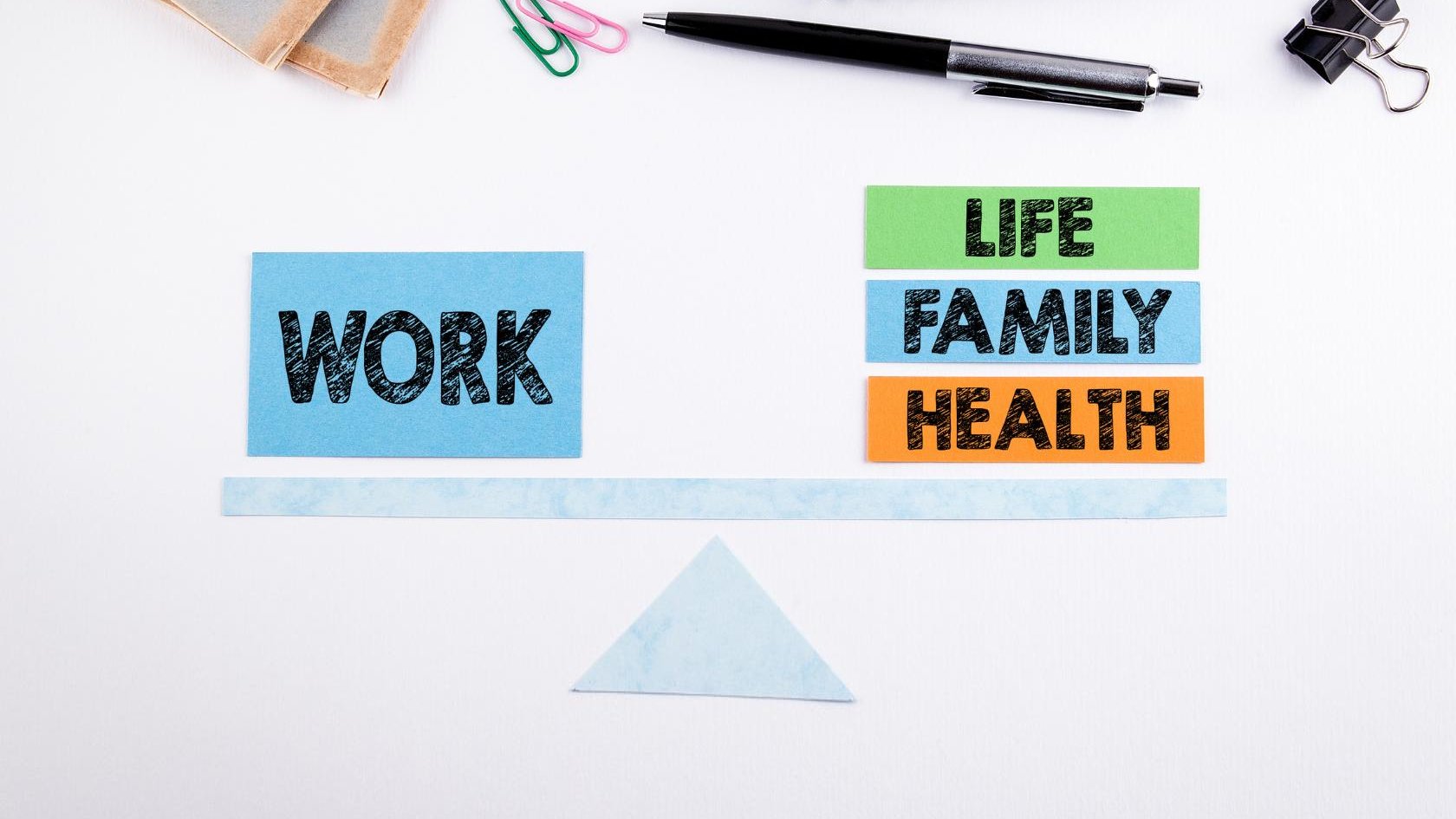
In the last couple of years, we are increasingly witnessing the value of work-life balance and how it is becoming a core topic of discussion for everyone. However, the focus is mostly with regard to the balance between how many hours we work versus how many hours we have to ourselves. Do you also feel like this balance is missing the point a little?
When I think about work-life balance, I prefer to have a wider approach — not just focusing on the amount of time one spends on work but also on how one spends that time. In turn, this perspective leads me to examine the impact of work on the individual as a whole.
Yes, I am talking about mental and physical well-being, and how it is directly linked to work-life balance. After all, what good is having time off if our work leaves us too exhausted to enjoy it?
As Arianna Huffington once said, “We think, mistakenly, that success is the result of the amount of time we put in at work, instead of the quality of time we put in.” Real work-life balance isn’t just about clocking out on time — it’s about whether work supports or depletes us.
Similarly, Albert Schweitzer reminds us, “Happiness is nothing more than good health and a bad memory.” While the second part may be up for debate, the first is undeniable: without well-being, our quality of life suffers, regardless of how much time we have outside of work.
I know this from experience. Until a few years ago, I was fully immersed in work, believing that pushing harder would bring the best results. But over time, I noticed that my health, energy, and even my ability to enjoy my free time were slowly deteriorating. I would finish work exhausted, mentally drained, and unable to truly switch off. Even when I wasn’t working, my mind was occupied with tasks, deadlines, and responsibilities. It wasn’t just about time; it was about the toll work was taking on me.
Shifting my perspective wasn’t easy, but it was necessary. I started prioritizing my mental and physical health, setting clear boundaries, and learning to truly disconnect after work. And in doing so, I discovered something unexpected: I became better at both. By giving myself the space to recharge, I could show up fully—100% in my work and 100% in my leisure. Balance wasn’t just about hours; it was about the quality of my presence.
So, here’s a question for you: When you think about your own work-life balance, are you only counting hours, or are you considering how those hours affect you? If you find yourself constantly drained, perhaps it’s time to shift the focus—not just to having more personal time, but to ensure that work itself isn’t taking too much from you. Your mental and physical health are not luxuries; they are necessities.